Exploring the Production Process Behind Rubber Keypads and Their Relevance in Modern Instruments
Rubber keypads are critical in the functionality of contemporary tools. Their production process includes cautious choice of materials and exact techniques. Keypads are created to improve customer interaction while making certain durability and integrity. Comprehending just how these components are made discloses their relevance across different applications. What aspects add to their effectiveness, and exactly how do these elements affect customer experience? The responses may improve perceptions of this daily modern technology.
Review of Rubber Keypads and Their Applications
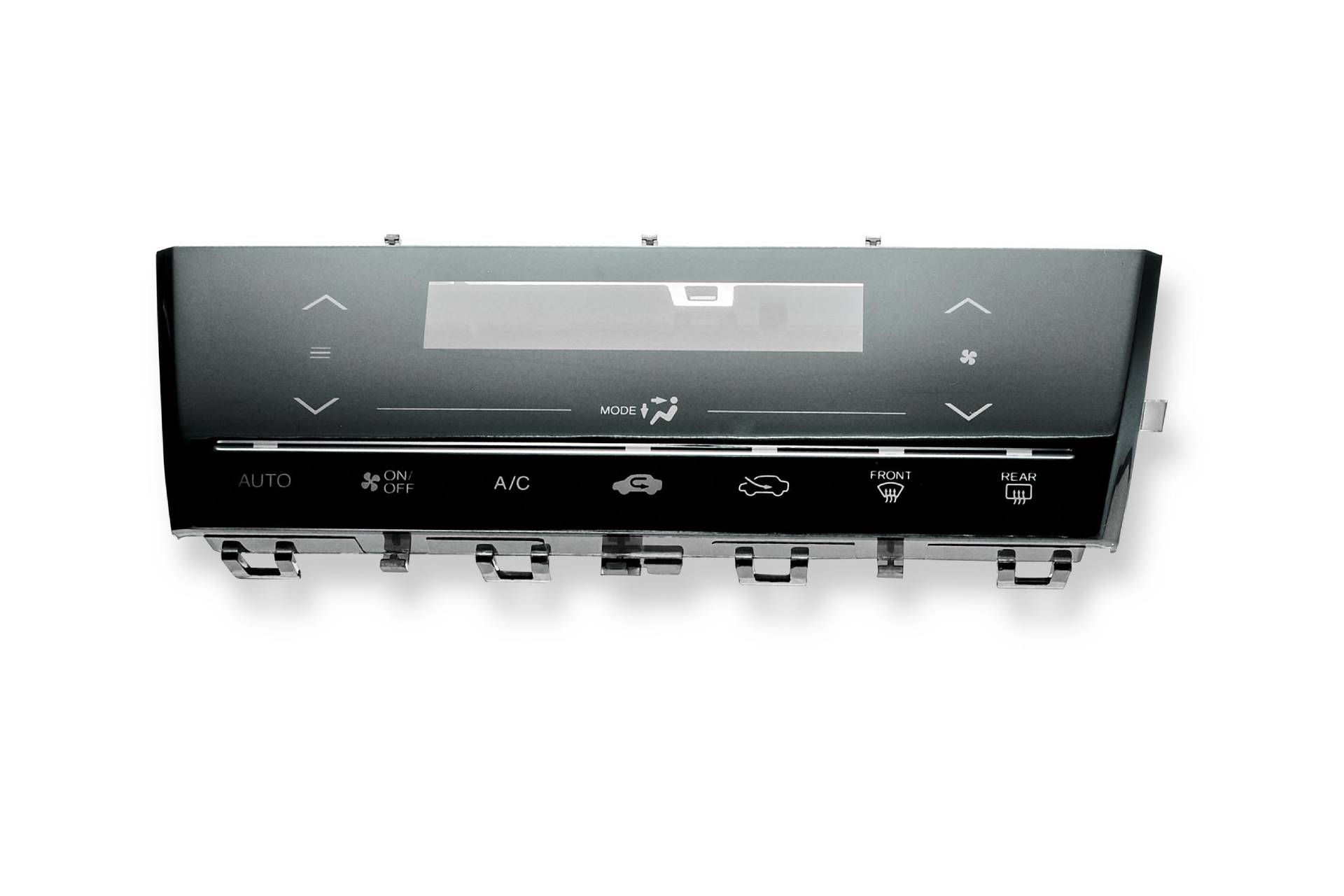
Rubber keypads are versatile components extensively made use of in numerous digital gadgets, varying from customer electronics to commercial devices. Their layout enables a tactile action, making them an optimal selection for applications calling for user communication. Generally located in items such as remote controls, calculators, and clinical devices, rubber keypads promote ease of use and availability.
In industrial settings, they serve crucial functions in machinery and control board, where toughness and resistance to ecological factors are essential. The non-slip surface area enhances grip, promoting integrity popular problems. Furthermore, their lightweight nature and adjustable shapes enable makers to develop tailored solutions that fit certain demands. With innovations in technology, rubber keypads remain to advance, including attributes like backlighting and enhanced sensitivity. Overall, their adaptability and useful benefits add considerably to the performance of numerous gadgets across several industries.
Materials Utilized in Rubber Keypad Manufacturing
Keypad producing counts on an option of products that boost both capability and resilience. The main material utilized in the manufacturing of rubber keypads is silicone rubber, known for its outstanding durability and versatility. This product allows keypads to withstand duplicated pushing without losing shape or efficiency. In addition, polycarbonate elastomers (TPE) are usually made use of as a result of their convenience of molding and capability to give a soft-touch feel.
Tinting representatives, such as pigments, are incorporated to assure lively, resilient shades that enhance visual charm. Furthermore, ingredients like anti-UV representatives and flame resistants might be mixed into the rubber to improve weather resistance and safety and security compliance. The selection of products directly impacts the keypad's responsive response, long life, and overall performance in various devices. Eventually, the cautious option of these elements is crucial for the manufacturing of high-quality rubber keypads that satisfy customer and sector demands.
The Layout Process of Rubber Keypads
When developing rubber keypads, the style process plays an important role in figuring out functionality and user experience. Designers start by specifying the keypad's meant use, thinking about factors such as the gadget it will accompany and the target customer group. This first phase includes mapping out formats that prioritize ergonomic aspects, making sure the secrets are easily obtainable and suitably spaced.
Next, designers concentrate on the responsive comments preferred from the keypads, which affects the choice of products and vital shapes. Prototyping is essential in this stage, allowing developers to evaluate various styles for convenience and responsiveness.
Production Techniques for Rubber Keypads
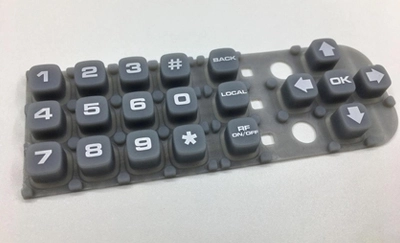
The manufacturing procedure for rubber keypads includes a collection of precise methods that assure top quality and functionality. Originally, fluid silicone rubber (LSR) is frequently utilized as a result of its durability and adaptability. The process begins with mixing the raw materials, consisting of silicone, colorants, and treating agents. This mixture is then infused into mold and mildews made to shape the keypads accurately.
Adhering to injection, the shaped keypads undergo healing, a home heating process that solidifies the product (Rubber Keypads). This is usually carried out in a press, making sure the keypads accomplish the wanted hardness and resilience
Quality Assurance Steps in Manufacturing
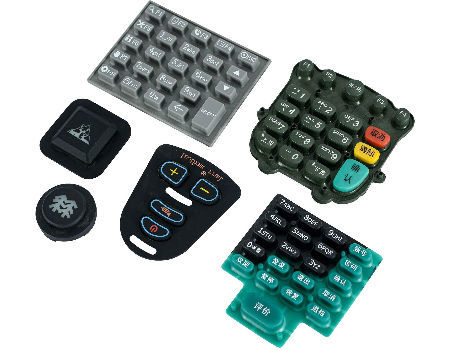
To guarantee that rubber keypads fulfill high requirements of top quality and capability, strenuous quality assurance measures are executed throughout the manufacturing process. These procedures begin with resources examination, making sure that only the highest-grade elastomers are made use of. During the manufacturing stage, operators perform routine checks to keep track of specifications such as temperature level, stress, and blending times, important for accomplishing regular item high quality.
Post-production, each set of keypads goes through extensive testing, including tactile reaction evaluations and durability examinations to assess performance under different conditions. Visual assessments are likewise performed to recognize any type of problems, such as bubbles or variances in appearance. In addition, conformity with sector requirements is validated, making sure that the keypads meet safety and security and capability criteria.
The Duty of Innovation in Keypad Growth
Innovation plays an essential function in the advancement of rubber keypads by enabling sophisticated production strategies that improve precision and efficiency. Additionally, ingenious material option permits enhanced sturdiness and responsiveness in keypad efficiency. These developments not only simplify production yet likewise elevate the total quality of the last product.
Advanced Manufacturing Techniques
Improvements in production techniques change the manufacturing of rubber keypads, enhancing both performance and precision. Technologies such as injection molding and 3D printing have actually transformed typical processes, making it possible for makers to produce complicated styles with reduced waste and enhanced turnaround times. Automation plays an essential function in this development, simplifying assembly lines and decreasing human mistake. Additionally, computer-aided design (CAD) software application enables complex modification, guaranteeing that keypads satisfy particular customer requirements. Quality control measures have likewise progressed, including real-time monitoring systems that identify defects early in the production cycle. These developments not just enhance the resilience and performance of rubber keypads however likewise sustain the read this post here expanding need for customized services in different markets, from consumer electronic devices to vehicle applications.
Ingenious Material Option
The development of producing strategies has paved the way for cutting-edge product choice in rubber keypad advancement. Developments in polymer science have introduced materials that improve toughness, adaptability, and responsive comments. Makers currently use thermoplastic elastomers (TPE) and silicone compounds, which give exceptional resistance to wear and environmental aspects. These products enable the production of keypads that can withstand long term use while keeping aesthetic allure. Furthermore, the integration of ingredients and coverings boosts performance, such as boosting hold and decreasing rubbing. The option of products is important, as it straight affects the efficiency and long life of keypads in numerous devices, from customer electronics to commercial tools. This cutting-edge technique continues to shape the future of keypad style and use.
The Effect of Rubber Keypads on User Experience
Rubber keypads considerably affect individual experience with their enhanced responsive response, which enables for even more accurate communication. In addition, their toughness and long life contribute to regular performance gradually, decreasing the requirement for constant replacements. This mix of attributes makes rubber keypads a recommended option in different applications, inevitably impacting individual satisfaction.
Enhanced Tactile Feedback
Enhancing responsive reaction considerably affects user experience, particularly in gadgets that depend on keypads for interaction. Rubber keypads offer an unique mix of soft qualities and strength, allowing users to really feel distinctive responses with each press. This feedback enhances a sense of control and accuracy, crucial in applications ranging from smart devices to industrial tools. Individuals usually report greater satisfaction and efficiency when interacting with devices that include well-designed rubber keypads, as they assist in quicker and a lot more exact input. Furthermore, the ergonomic layout of these keypads can lower finger exhaustion, advertising longer usage durations without discomfort. Overall, the boosted responsive feedback offered by rubber keypads considerably adds to a more enjoyable and intuitive individual experience in contemporary innovation.
Toughness and Long life
A vital element of individual try this site experience with rubber keypads depends on their sturdiness and durability. These keypads are developed to hold up against extensive usage, withstanding wear and tear that frequently impacts other materials. The durable nature of rubber assurances that keypads keep their functionality and look in time, which is crucial for tools often used in numerous atmospheres. Individuals benefit from the integrity of rubber keypads, as they can sustain exposure to temperature level, dust, and dampness changes without weakening. This strength not only enhances user contentment but additionally minimizes the requirement for constant substitutes, inevitably contributing to cost-effectiveness for makers. Basically, the sturdiness of rubber keypads substantially influences the general performance and individual experience in modern-day tools.
Regularly Asked Inquiries
Just How Long Do Rubber Keypads Generally Last in Gadgets?
Rubber keypads commonly last between 5 to ten years, depending on usage, ecological elements, and top quality of products utilized (Rubber Keypads). Normal damage can reduce special info their lifespan, affecting capability and customer experience over time
Can Rubber Keypads Be Customized for Certain Applications?
Rubber keypads can without a doubt be customized for particular applications, allowing modifications in size, shape, appearance, and shade. This adaptability makes it possible for manufacturers to produce tailored solutions that satisfy diverse individual requirements and boost functionality in different tools.
Are Rubber Keypads Eco-friendly?
Rubber keypads are usually not thought about eco-friendly as a result of their petroleum-based materials. Improvements in lasting production techniques and the development of bio-based choices are slowly improving their environmental effect in various applications.
What Are Typical Concerns Encountered During Rubber Keypad Production?
Usual concerns dealt with throughout rubber keypad manufacturing include inconsistent worldly top quality, mold and mildew problems, inappropriate curing times, attachment failures, and challenges in accomplishing exact responsive comments. These troubles can result in decreased product performance and consumer dissatisfaction.
Just How Do Rubber Keypads Compare to Other Kinds Of Trick Switches?
Rubber keypads supply a softer feeling and quieter procedure contrasted to mechanical switches, which provide responsive responses. Rubber keypads may wear out faster and do not have the precision that some individuals like in high-performance applications.
The primary product utilized in the production of rubber keypads is silicone rubber, understood for its superb strength and versatility. When producing rubber keypads, the design procedure plays a crucial duty in identifying performance and individual experience. Rubber keypads substantially affect user experience via their boosted tactile response, which enables for more precise interaction. Individuals frequently report better contentment and effectiveness when engaging with tools that feature properly designed rubber keypads, as they promote quicker and more precise input. An essential aspect of customer experience with rubber keypads lies in their resilience and long life.